


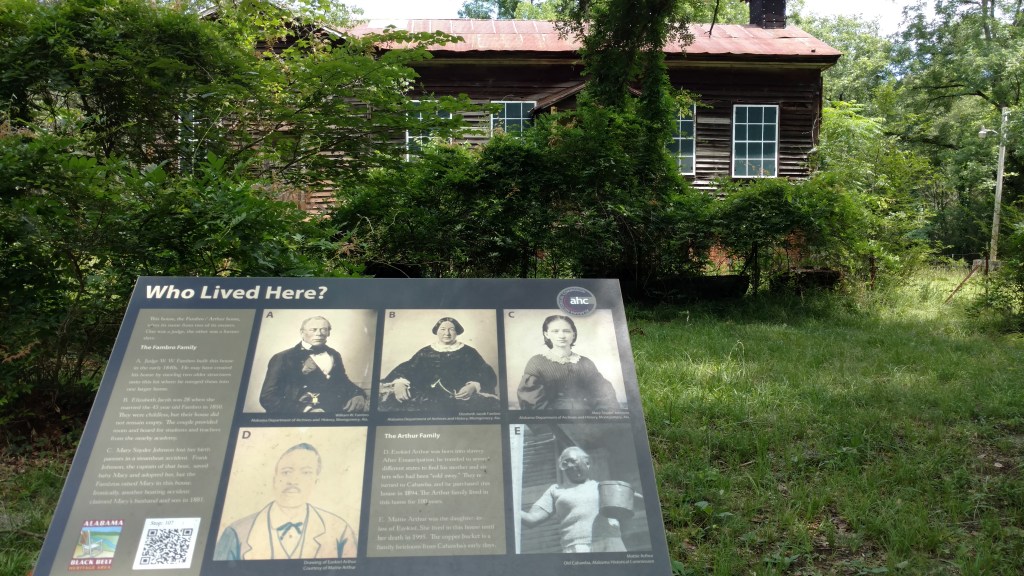
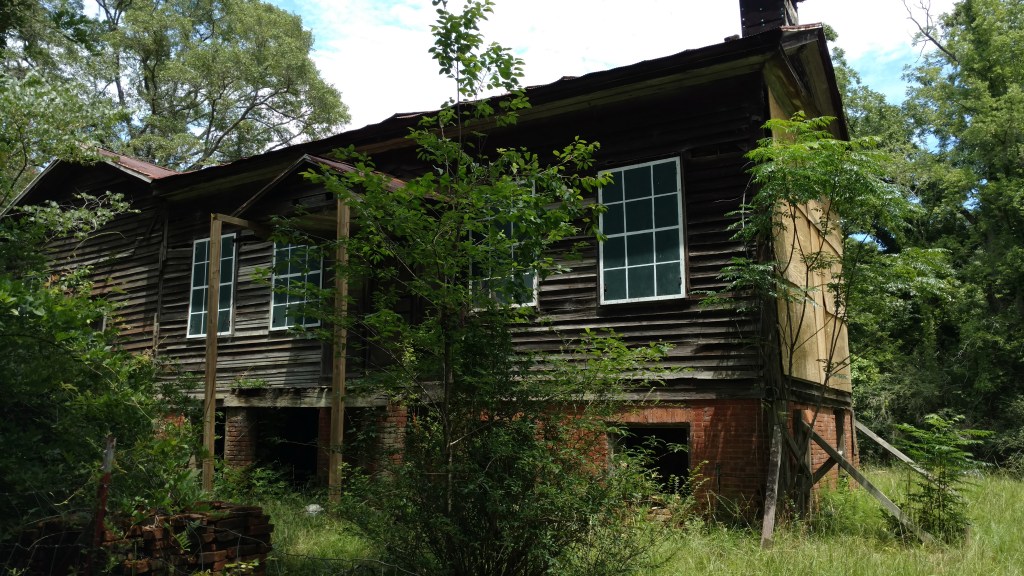
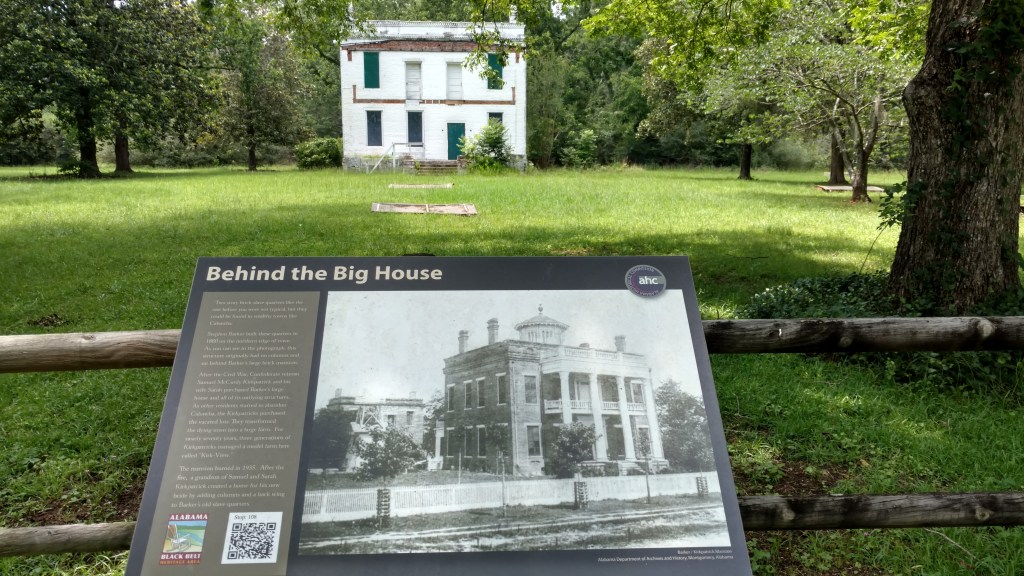
Have you heard of Orrville, AL? I hadn’t either. Orrville is located in Dallas County, just south of Selma, AL, and as it turns out, it’s home to a pretty interesting and historical place known as Old Cahawba.
Cahawba was Alabama’s first permanent state capital (1819-1826) and is now known as “Alabama’s most famous ghost town.”
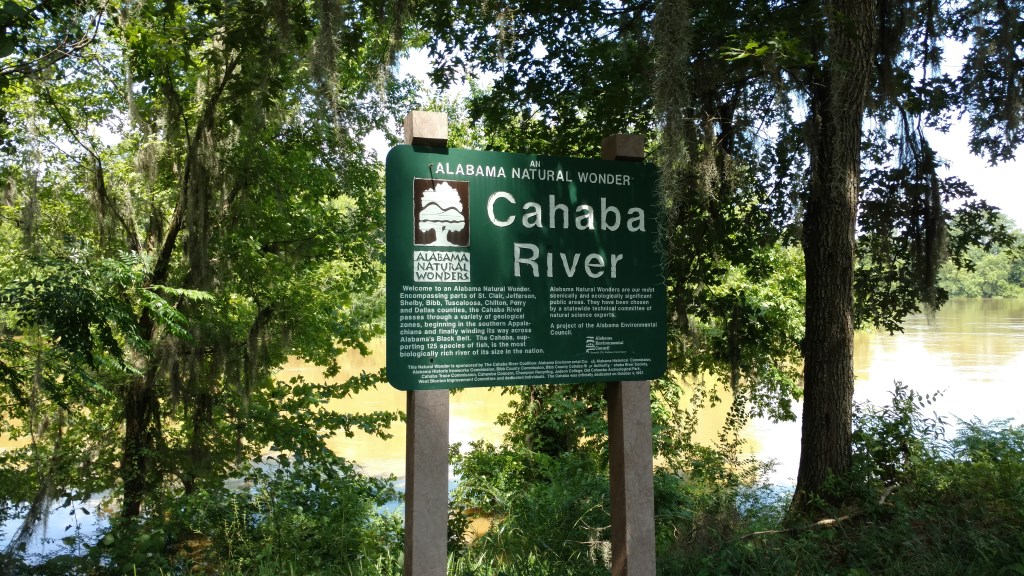
Old Cahawba sits where the Cahaba and Alabama rivers merge together. Because of that, the town became a major trading point for cotton that would be shipped down-river to the port of Mobile.
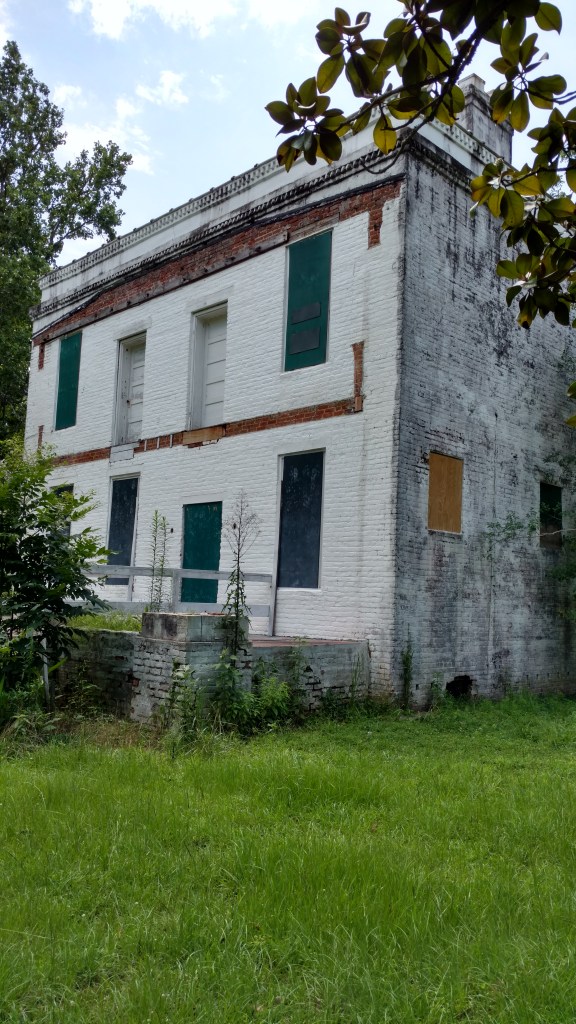
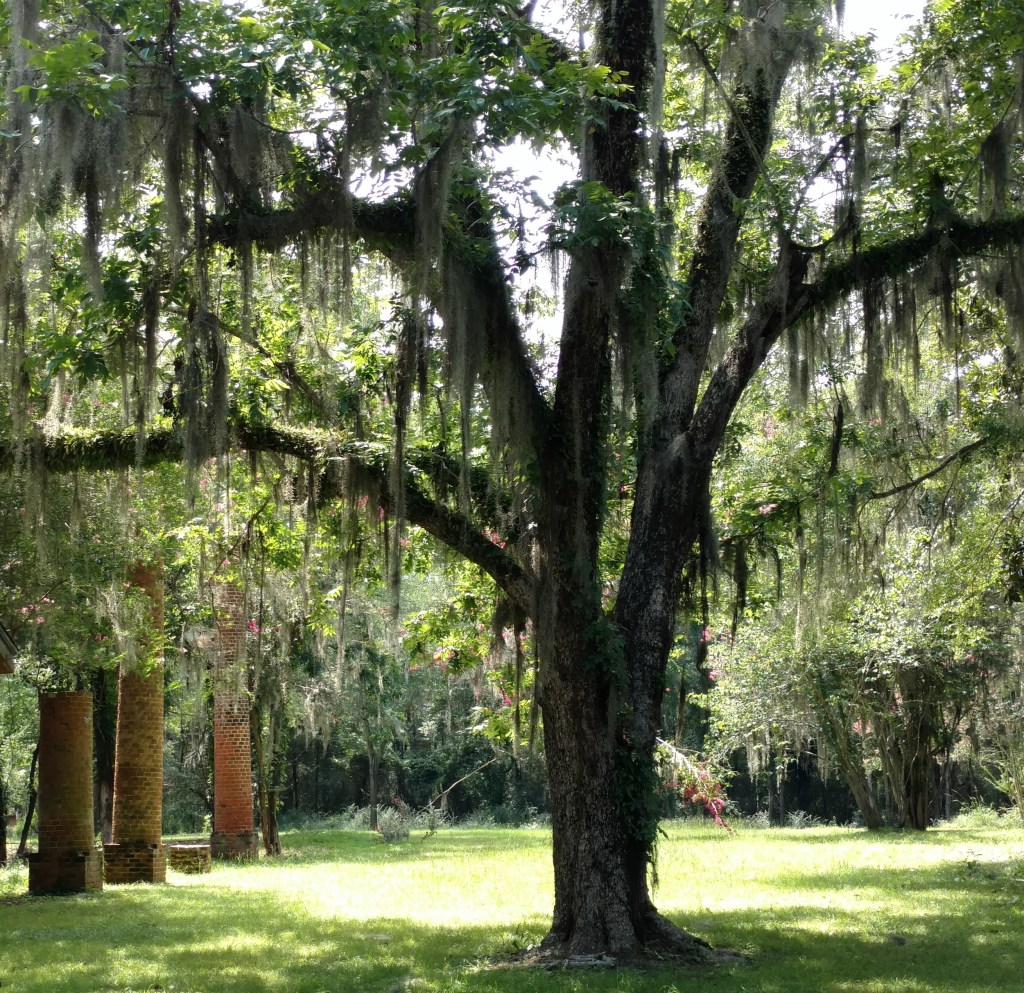
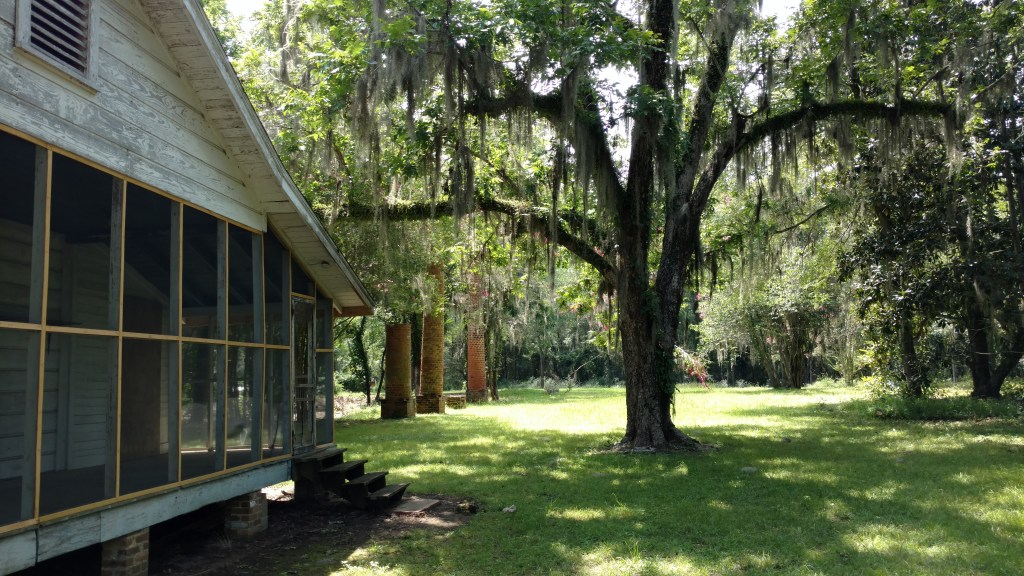
It is an absolutely beautiful place to visit. Cell phone service is a bit spotty, making Old Cahawba the perfect place to disconnect and see the beauty that Alabama has to offer in this town that has been taken back by nature. Be sure to pack a picnic as it is a bit off-the-beaten-path.
We drove over one morning in the early summer, and the weather was perfect!
Here are a few interesting historical facts about Cahawba!
- The name “Cahaba” is believed to come from Choctaw words for water “oka” and above “aba”.
- Cahawba was in part of the “Black Belt” region which was known for its dark, rich fertile soil. This soil was perfect for growing crops such as cotton and corn.
- The first inhabitants are believed to be of Native American decent.
- Some Archaeologists believe that Cahawba was built on top of an earlier Native American ghost town known as “Maubila ” Maubila was believed to have been destroyed by Hernando de Soto in 1540.
- The town of Cahawba had a grid layout. The streets than ran north and south were named after trees. The streets that ran east and west were named after famous men.
- The Alabama state capital was moved from Cahawba to Tuscaloosa in 1826 due to Cahawba’s seasonal flooding issues. Many believed that to be an over-exaggerated claim.
- Cahawba had a railroad! The Cahaba-Marian railroad was important to the town’s economy. The railroad was short lived. It was dismantled by the confederate government and used to extend railroad section that connected Selma and Demopolis.
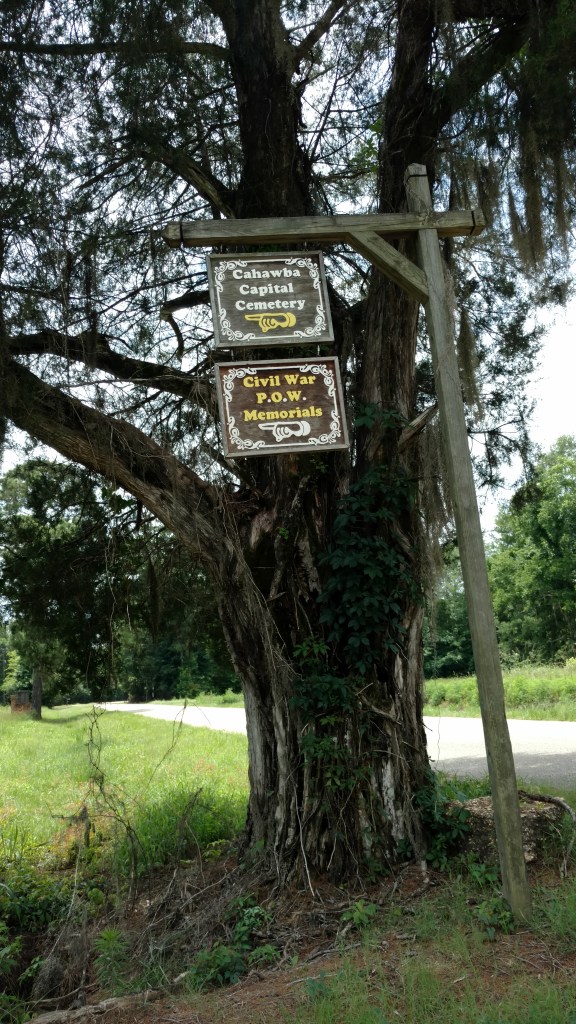
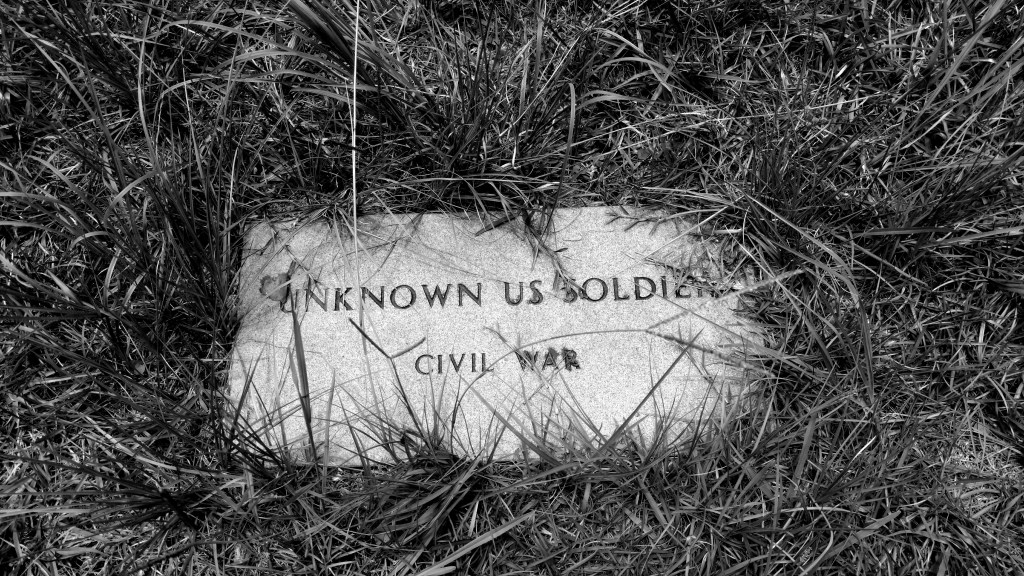
- Cahawba converted their cotton warehouse into a prison that housed Union soldiers during the Civil War (1863-1865). Known as “Castle Morgan”, it housed over 3,000 soldiers.
- Cahawba is home to St. Luke’s Episcopal Church. The Church was moved 11 miles away, to Martin’s Station, AL, in 1878. It was added to the National Registry of Historic Places on March 25, 1982, and it served an Episcopal congregation for years and then serving an African-American Baptist congregation for over 60 years before it was acquired by the Alabama Historical Commission. In 2007, the church was disassembled and re-located back to Cahawba, across from the Old Cahawba Archaeological Park’s visitor center. This is a slightly different spot in Cahawba than its original location, as the original location on Vine Street was located within the floodplain.
- Cahawba is said to be haunted by Pegues’ Ghost. The apparition, a glowing ball of white light, first appeared in the spring of 1862, not long before Colonel Pegues was fatally injured that June. The apparition was spotted several more times by the townspeople, and no one has ever been able to fully explain what it was.
Know before you go:
9518 Cahaba Rd., Orrville, AL 36767
Park Grounds: open 9am – 5pm daily
Visitor Center: open Thurs.-Mon. 10am-4:30pm
Closed: Thanksgiving, Christmas, & New Year’s Day
Official Website: cahawba.com










 Wanderstance
Leave a comment